Part of the RCB Healthcare Family - Click here to find a care home

Blog
Personal Care vs Companionship Care

When people first explore care at home, they often assume support is only needed when physical tasks become difficult. At RCB Home Care, we know that care is just as much about emotional wellbeing as it is about practical assistance.
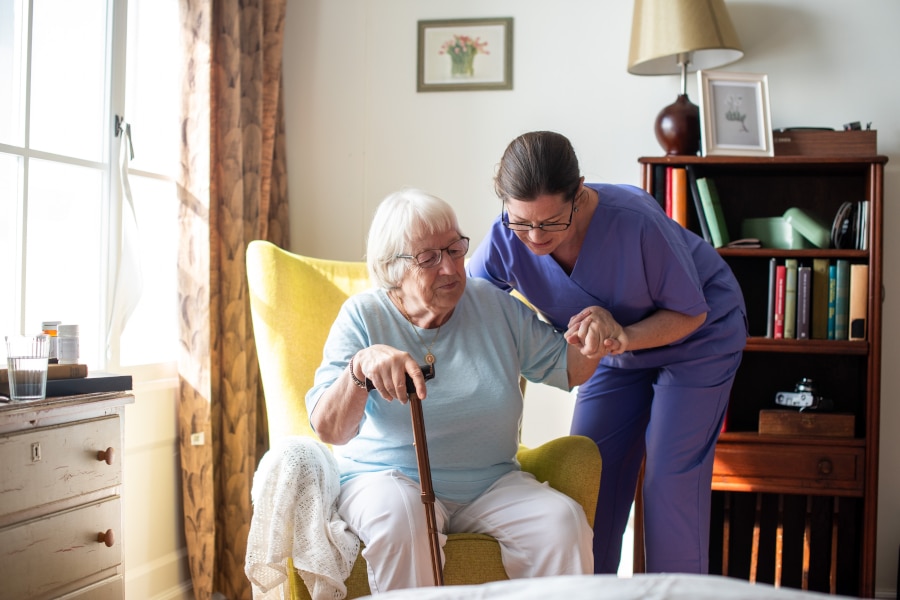
Personal care focuses on daily activities that may become harder with age, illness, or reduced mobility. This includes help with washing, dressing, moving safely around the home, using the bathroom, preparing meals, and managing medication. Appropriately delivered, personal care protects dignity and reduces risk while allowing people to continue living in their own space.
Companionship care looks very different, but its impact can be just as significant. It centres around human connection - conversation, shared activities, gentle outings, or simply knowing someone will be there. Loneliness is one of the most common challenges older people face, and it often develops quietly before families realise how much it is affecting confidence and mood.
Many people benefit from companionship support long before they need hands-on care. Having regular contact, structure to the day, and someone who genuinely listens can improve appetite, sleep, and motivation. Over time, companionship care can naturally evolve into personal care, with trust already established.
At RCB Home Care, we don't separate people into boxes. Support is shaped around the individual - sometimes practical, sometimes emotional, and often a blend of both. What matters most is that care feels respectful, unrushed, and genuinely supportive.
Care is not just about doing things for someone. It's about helping them continue being themselves.
Posted on 16 January 2026
Recent Posts

The Fascinating Story of Pocahontas and ...
The famous Pocahontas died in Gravesend and was buried in St...

Home Care That Goes Beyond the Basics
We naturally think about Home Care as assisting clients with...

Preventing Loneliness and Social Isolati...
Older adults are at a higher risk of becoming lonely and iso...

Dementia Action Week
Dementia Action Week is led by the Alzheimer's Society, focu...
Direct Payment
What is a direct payment? Money paid by your local council t...

A Day in the Life of a Community Carer
Starting the day as a Community Carer often starts hours bef...