Part of the RCB Healthcare Family - Click here to find a care home

Blog
A Day in the Life of a Community Carer

Starting the day as a Community Carer often starts hours before my working day.
Getting up and getting ready, making sure the children have everything they need for school, checking the traffic for the school run, because if I am late, then it impacts my working day. Once the children are dropped off, I head to my first call.
Many people think that my job just means completing simple tasks such as getting someone dressed and giving them breakfast.
It is so much more; my role blends practical support, emotional connections and having to be constantly adaptable to situations. No two days are the same, even if you are seeing the same clients, but each follows a rhythm shaped by compassion and responsibility.
Morning visits
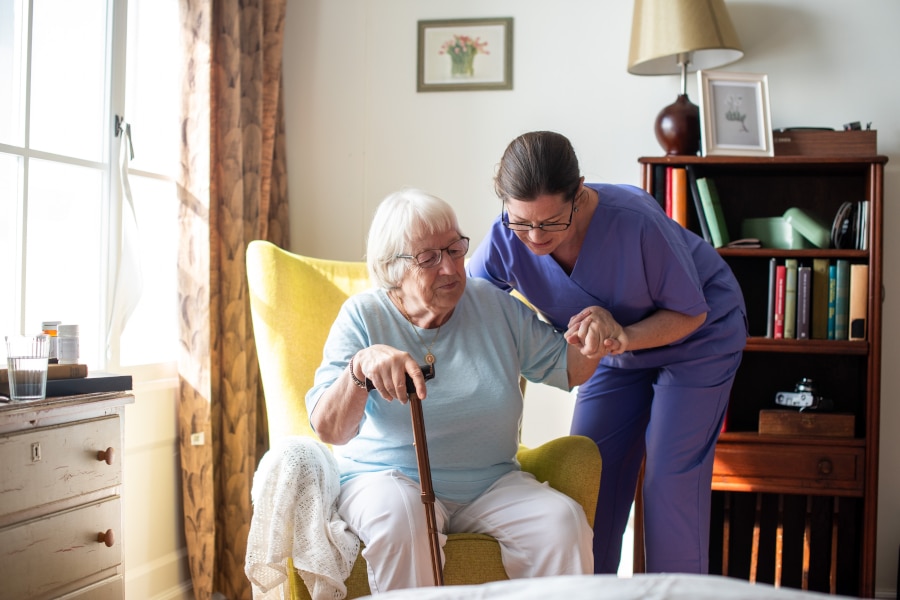
I usually arrive at my client's home, assisting with getting them out of bed, helping with their personal care and dressing, all of this requires patience, respect and dignity whilst valuing their independence.
Breakfast preparation follows their dietary needs and preferences. Some clients just need encouragement, while others need full assistance.
Medication reminders are also crucial at this stage, ensuring everything is taken correctly and on time.
I am here not just for the tasks that need to be completed, but to set the tone for the day. Being friendly and making conversation, checking in on them, and asking about things that are important to them can make a huge difference to someone who may feel isolated.
Mid-day visits
These can vary from client to client but often involve making lunch, completing light housekeeping, including laundry, tidying up, and helping maintain a safe and comfortable environment.
Errands to the shops, collecting prescriptions and helping with attending appointments. Some like a social visit to go to a local garden centre, shopping or just for a walk to the park; those who are housebound may enjoy board games, competing puzzles, or just having a chat and some company.
Afternoon visits
These visits can include monitoring health conditions, encouraging hydration, and toileting needs. Some of my clients with dementia require care at this time, as confusion and restlessness can increase later in the day. Plans change quickly, and you have to be flexible as clients' feelings change frequently. Reading these signs and adjusting care accordingly is key whilst ensuring comfort and dignity at all times.
Evening visits
These visits are often the reverse of the morning visit. Preparing evening meal, ensuring medication is taken and getting ready for bed, including personal care and putting on nightwear.
Creating a sense of calm and security is essential, as you will most often be leaving them overnight alone. I make sure anything they may need is in reach so they feel comfortable and do not need to worry that they may need something and need to get out of bed.
Caring is a role that demands attention to detail, empathy and resilience; it can be challenging at times, but also deeply rewarding.
Being able to keep clients in their own homes for as long as possible is job satisfaction to the highest degree.
Posted on 15 May 2026
Recent Posts

The Fascinating Story of Pocahontas and ...
The famous Pocahontas died in Gravesend and was buried in St...

Home Care That Goes Beyond the Basics
We naturally think about Home Care as assisting clients with...

Preventing Loneliness and Social Isolati...
Older adults are at a higher risk of becoming lonely and iso...

Dementia Action Week
Dementia Action Week is led by the Alzheimer's Society, focu...
Direct Payment
What is a direct payment? Money paid by your local council t...

May is Arthritis Awareness Month
Arthritis is a general term for conditions that cause pain, ...