Part of the RCB Healthcare Family - Click here to find a care home

Blog
Preventing Loneliness and Social Isolation in Older Adults

Older adults are at a higher risk of becoming lonely and isolated due to several changes in one's personal circumstances, which can include retirement, bereavement, health conditions, separation from family and friends, and living alone.
Loneliness is an emotional feeling of being alone or disconnected.
Social isolation refers to having limited contact with others.
Both can have a serious impact on an individual's mental, physical and emotional wellbeing. Still, with the right support and social interaction, older adults can continue to live a fulfilling life and feel connected to others whilst remaining in their own home.
Why does having social connections matter? It helps maintain:
- Better memory and cognitive function
- Better mental health
- Reduces anxiety and stress
- Higher activity levels
- Improves self-esteem and confidence
Do you know someone who may be struggling? Common signs can include:
- Changes in mood or behaviour
- Not leaving the house or as often as they were
- Loss of interest in previous hobbies
- Struggling with their personal care
- Avoiding social activities
- Being sad or anxious
- Difficulty in sleeping and poor eating habits
How to help reduce Loneliness and Isolation - Regular contact can make a big difference, this can be done through phone calls, video chats and in person. Consistency is key more than the length of time; this will make the individual feel supported and remembered. Encourage them to engage in community groups in the area. This will build confidence, meet new friends and start conversations.
Locally, some activities may include:
- Exercise classes (look for appropriate beginner classes)
- Book or join knitting clubs
- Coffee mornings
- Gardening groups
- Senior groups
- Coach outings
- Church meetings
- Volunteer opportunities
For those who are housebound, technology can be an important way to stay connected:
- Video calling apps
- Virtual exercise classes
- Social media
- Messaging services
- Online hobbies
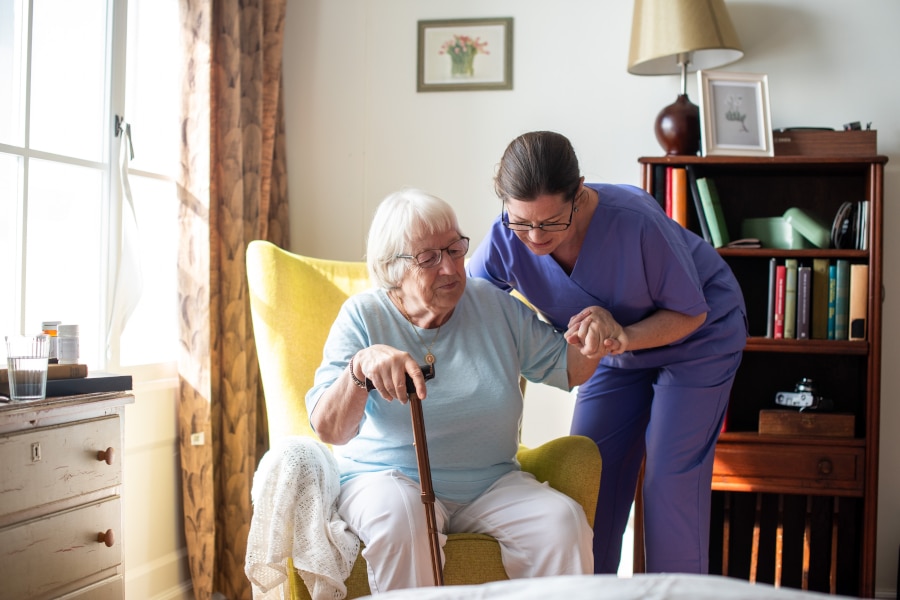
Companion care provides regular social interaction and emotional support for seniors living alone.
A carer can help with:
- Providing conversation and companionship
- Share meals
- Assist with hobbies and activities
- Go on walks or outings
- Encourage routines and confidence
By encouraging regular connection and creating opportunities for social engagement, families can help older loved ones remain happier, healthier, and more independent for longer.
Posted on 5 June 2026
Recent Posts

The Fascinating Story of Pocahontas and ...
The famous Pocahontas died in Gravesend and was buried in St...

Home Care That Goes Beyond the Basics
We naturally think about Home Care as assisting clients with...

Dementia Action Week
Dementia Action Week is led by the Alzheimer's Society, focu...
Direct Payment
What is a direct payment? Money paid by your local council t...

A Day in the Life of a Community Carer
Starting the day as a Community Carer often starts hours bef...

May is Arthritis Awareness Month
Arthritis is a general term for conditions that cause pain, ...