Part of the RCB Healthcare Family - Click here to find a care home

Blog
Mothers Day

Originating in the 16th century, it traditionally falls on the 4th Sunday of Lent and the lead-up to Easter.
Did you know that it was not originally about Mothers but about returning to one's mother church, the main church or cathedral in the area where a person grew up.
During this time, many young people worked as servants or apprentices far from home.
Mothering Sunday became one of the rare opportunities for them to travel back home, attend church with their families, and spend time with their mothers.
On the journey home, children would usually pick wild flowers to give to their mothers.
As time went on, things changed, and the focus changed from the church to celebrating mothers, evolving to the tradition we know today.
Historically, Simnel Cake was made for Mothering Sunday, but it is now more commonly associated with Easter.
Mothering Sunday is more than receiving gifts and cards, it is about recognising the sacrifices, care and love that Mothers provide to their children every day. We also need to celebrate other women in our lives, including:
- Mother figures
- Step mothers
- Foster Mothers
- Grand Mothers
- Care givers
- Aunts and Sisters
Mothering Sunday reminds us of the importance of connection and companionship. For some older adults, loneliness can be a challenge, especially if family members live far away or have busy schedules.
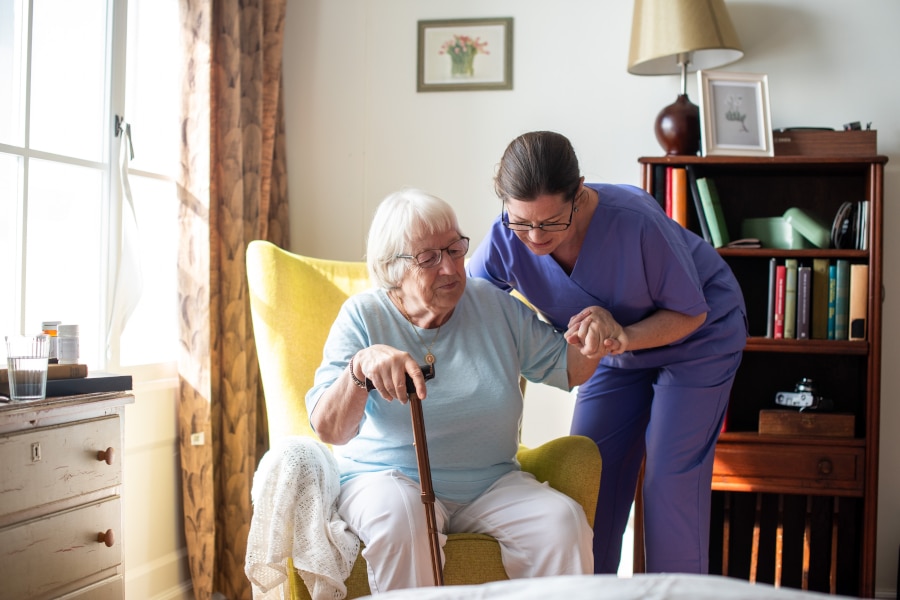
RCHB Homecare carers not only provide practical assistance but also offer friendly companionship, conversation, and emotional support.
Having someone to share a cup of tea with or to enjoy a walk together can greatly improve a person's wellbeing and quality of life; it also gives families peace of mind.
Posted on 13 March 2026
Recent Posts

The Fascinating Story of Pocahontas and ...
The famous Pocahontas died in Gravesend and was buried in St...

Home Care That Goes Beyond the Basics
We naturally think about Home Care as assisting clients with...

Preventing Loneliness and Social Isolati...
Older adults are at a higher risk of becoming lonely and iso...

Dementia Action Week
Dementia Action Week is led by the Alzheimer's Society, focu...
Direct Payment
What is a direct payment? Money paid by your local council t...

A Day in the Life of a Community Carer
Starting the day as a Community Carer often starts hours bef...