Part of the RCB Healthcare Family - Click here to find a care home

Blog
Clocks going forward – 29th March
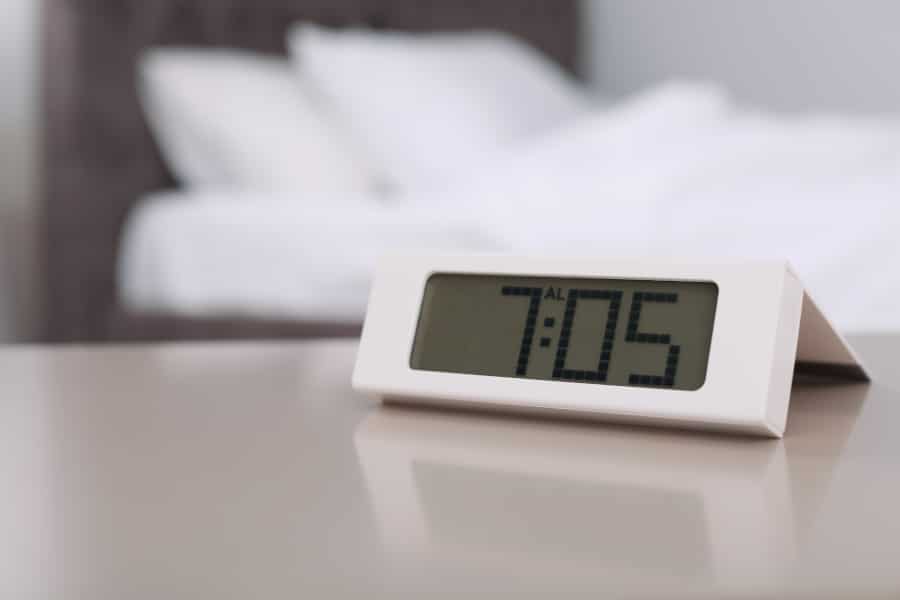
Most of us know that the UK government advanced the clocks in the Spring and moved them back in the Autumn during World War 1.
But did you know the idea originated in 1784, when Benjamin Franklin, living in Paris, wrote an essay suggesting people could save on candles by waking up earlier and using more daylight? However, he didn't actually come up with the idea of changing the clocks.
William Willett, a British builder, was riding his horse back in 1907 when he noticed that many people were asleep even though the sun was already up. He even published a pamphlet called "The Waste of Daylight" and campaigned for the change; sadly, he never got to see the changes made, as he died in 1915, one year before it started.
He believed moving the clocks forward would:
- Give people more daylight in the evenings
- Encourage outdoor activity
- Reduce the need for artificial lighting
The idea was finally adopted in 1916 during World War 1 to save energy and fuel. This created British Summer Time, where clocks move one hour ahead of Greenwich Mean Time (GMT) in spring. We carried this on, and the clocks change twice a year:
- Spring: Clocks go forward, giving us more evening daylight
- Autumn: Clocks go back, returning to GMT
Fun facts
- The lost hour myth: When clocks go forward in spring, people often joke that the missing hour goes somewhere. Sadly, there's no magical bank that gives you that hour back later!
- Some people celebrate it: In a few places, people actually hold "Daylight Saving parties" the night the clocks change. They stay awake until the clock jumps forward and celebrate the longer evenings.
- People are late or early: Before everything went digital, when the clocks changed, many people forgot to update their ovens, car clocks, and wall clocks. This often leads people to show up an hour early or an hour late to events the next day.
- Affects sleep and health: Studies suggest the spring clock change can temporarily affect sleep patterns because people lose an hour.
- It can confuse pets: Pets get used to being fed at certain times. When the clocks change, dogs and cats may start asking for food an hour early because their body clocks haven't changed.
- Before smartphones automatically updated the time, people often had a house full of clocks all showing different times the day after the change.
Posted on 10 April 2026
Recent Posts
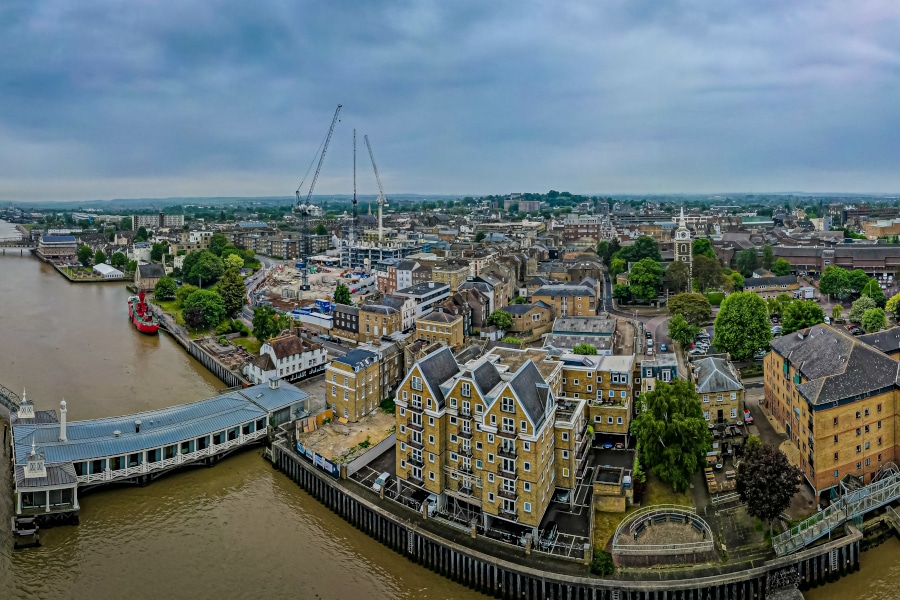
The Fascinating Story of Pocahontas and ...
The famous Pocahontas died in Gravesend and was buried in St...

Home Care That Goes Beyond the Basics
We naturally think about Home Care as assisting clients with...

Preventing Loneliness and Social Isolati...
Older adults are at a higher risk of becoming lonely and iso...

Dementia Action Week
Dementia Action Week is led by the Alzheimer's Society, focu...
Direct Payment
What is a direct payment? Money paid by your local council t...

A Day in the Life of a Community Carer
Starting the day as a Community Carer often starts hours bef...